guide · 3 min read
Stencil Materials Guide: PET, Wood, Acrylic, Metal
Complete guide to stencil materials for laser cutting — properties, thicknesses, applications, and how to choose the right material for your project.
StencilVector Team2,236 views
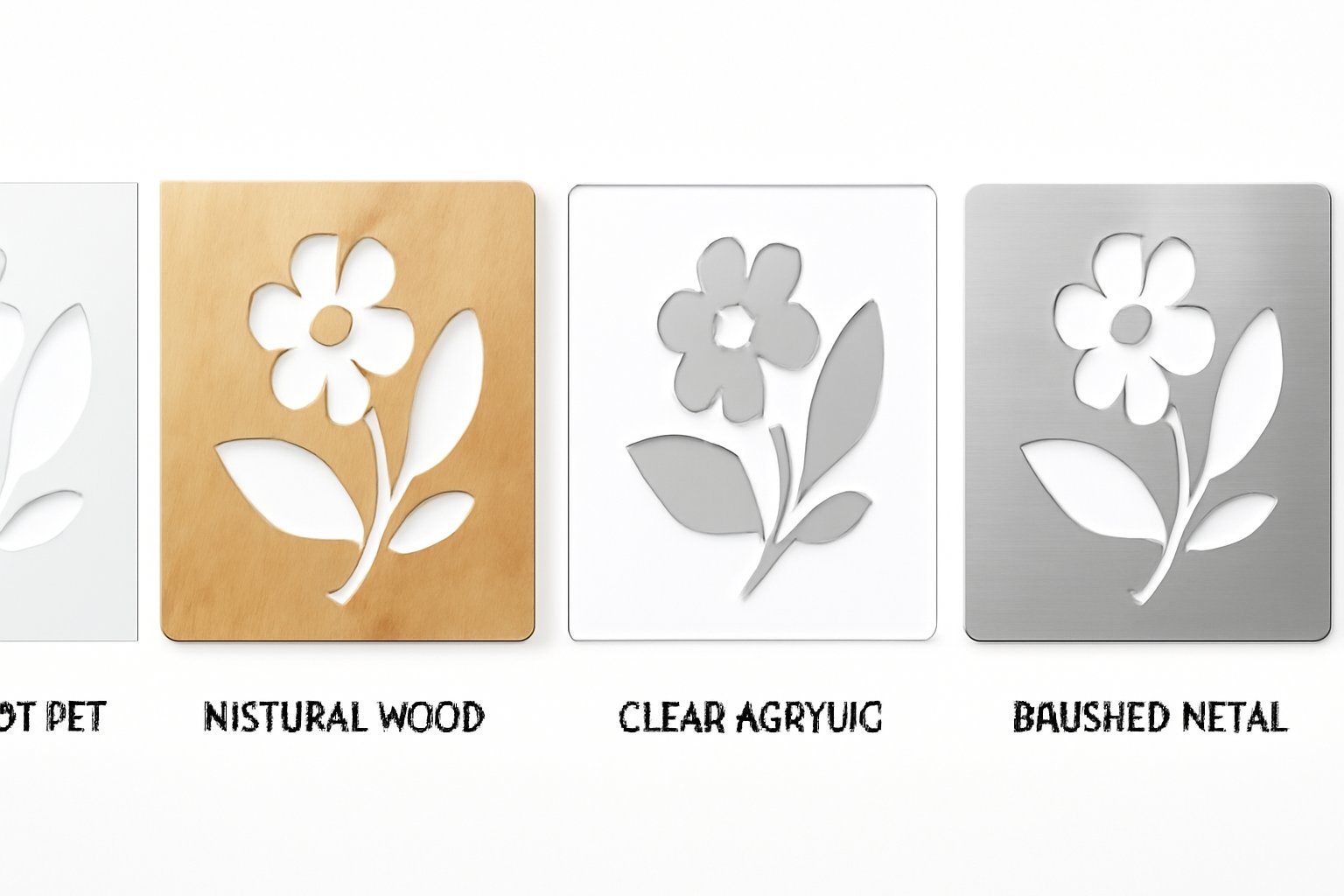
The material you choose for your stencil determines everything — how many times you can reuse it, how fine the details can be, how it feels in your hands, and what applications it is suited for. This guide covers every major stencil material available for laser cutting, with practical advice on choosing the right one.
PET (Mylar) — The Stencil Standard
Polyethylene terephthalate (PET), often sold under the brand name Mylar, is the most widely used material for reusable stencils. It is a clear or translucent plastic film that laser-cuts cleanly and handles paint, ink, and solvents without degrading.
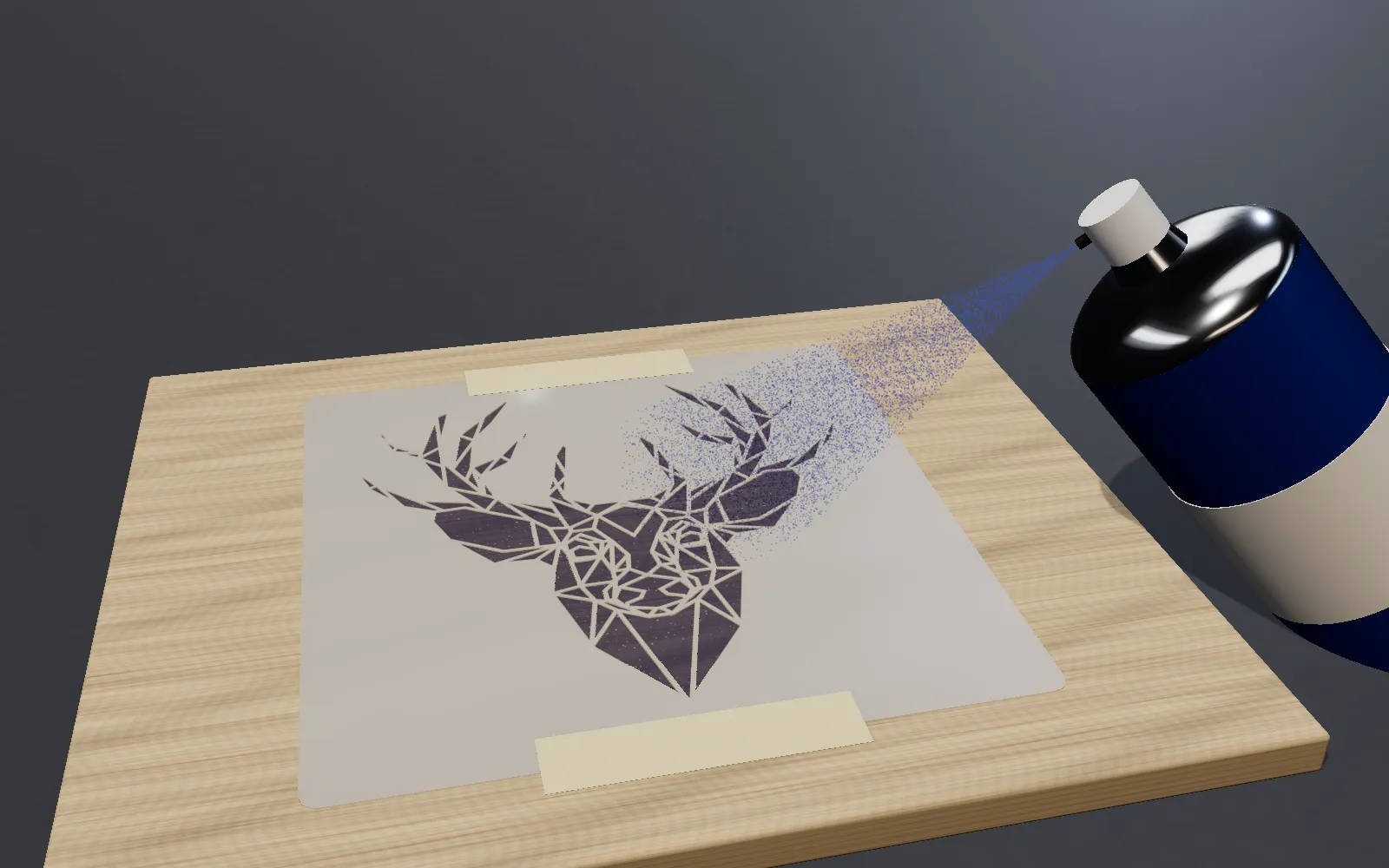
- Available thicknesses: 0.1mm, 0.2mm, 0.3mm, 0.5mm
- Minimum bridge width: 1mm
- Minimum feature size: 0.5mm with laser
- Reuse: Hundreds of times with proper cleaning
- Best for: Spray paint stencils, airbrush art, wall decoration, crafts
Laser settings tip: Use lower power and higher speed to avoid melting. PET should be cut, not vaporized — a clean cut edge seals the plastic and prevents fraying.
Acrylic — Rigid and Permanent
Acrylic stencils are rigid, durable, and maintain their shape without any support. They are the go-to choice for stencils that will be used thousands of times or that double as decorative objects.
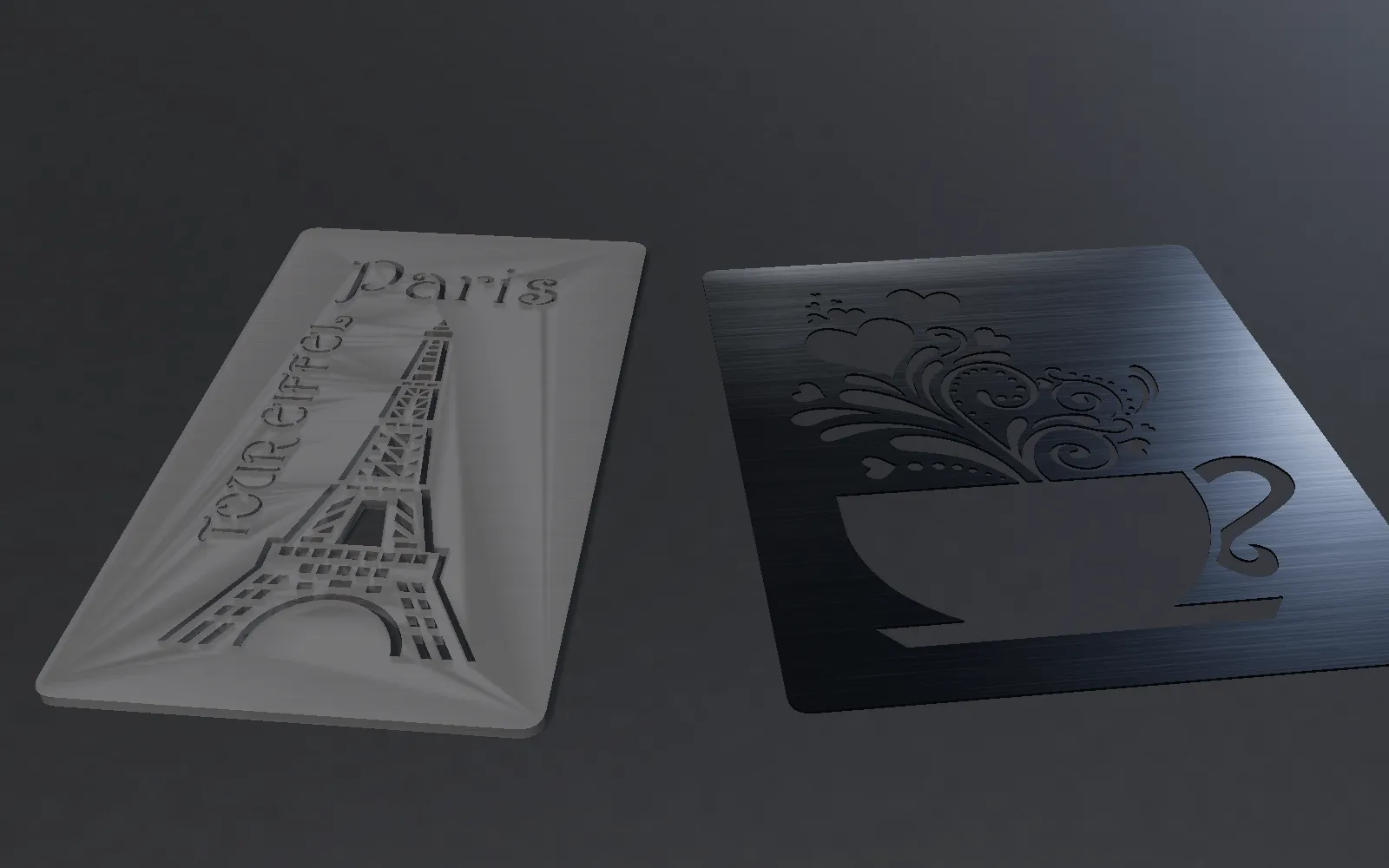
- Available thicknesses: 1mm, 2mm, 3mm, 4mm, 5mm, 6mm
- Minimum bridge width: 1.5-2mm
- Minimum feature size: 1mm with laser
- Reuse: Virtually unlimited
- Best for: Industrial templates, signage, professional studios, decorative pieces
Pro tip: Acrylic comes in many colors and finishes — clear, frosted, colored, mirrored. For stencils that are also display pieces, choose a color that contrasts with the surface.
Wood and MDF — Natural and Premium
Wooden stencils have a premium, handcrafted feel that plastic cannot match. MDF (Medium-Density Fiberboard) provides a perfectly smooth, consistent surface that laser-cuts beautifully without grain issues.
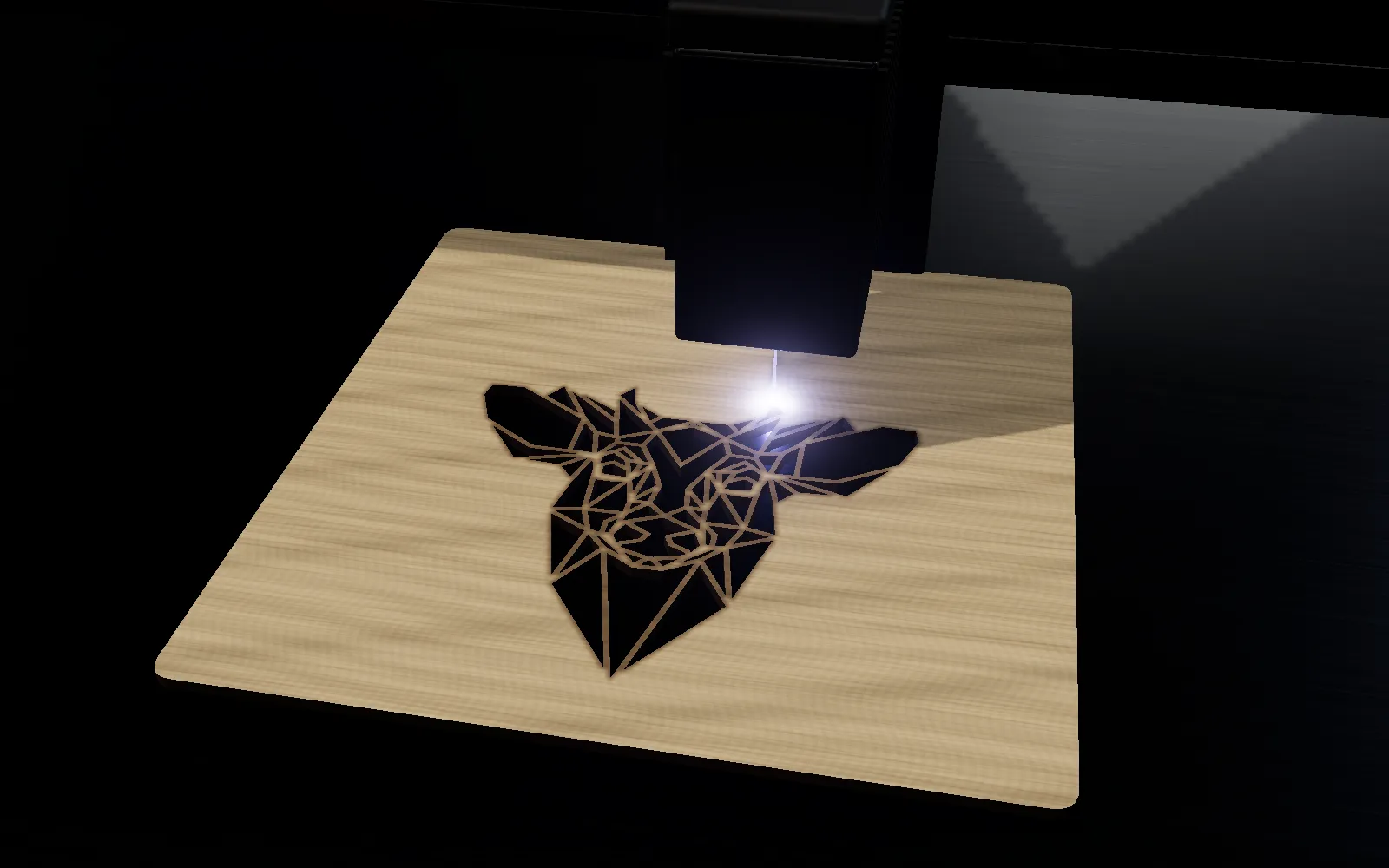
- Available thicknesses: 3mm, 4mm, 6mm (typical for laser cutting)
- Minimum bridge width: 2mm (wider for cross-grain bridges)
- Minimum feature size: 1-1.5mm
- Reuse: Many times, but paint can build up over time
- Best for: Wall art templates, signage, craft projects, gifts, educational tools
Grain direction matters: For natural wood (not MDF), bridges perpendicular to the grain are much stronger than parallel bridges. StencilVector's stability analysis helps identify weak points regardless of material.
Metal — Industrial Grade
Stainless steel and aluminum stencils are the most durable option available. They withstand extreme conditions, thousands of applications, and aggressive cleaning without any degradation.
- Available thicknesses: 0.1mm - 2mm (stainless), 0.5mm - 3mm (aluminum)
- Minimum bridge width: 0.5mm (stainless, laser-cut)
- Minimum feature size: 0.3mm with fiber laser
- Reuse: Virtually unlimited
- Best for: SMT solder paste stencils, industrial marking, food-grade applications, architectural stencils
Note: Metal stencils require a fiber laser (not CO2) for clean cutting. They are more expensive but offer unmatched precision and longevity.
Cardboard and Paper — Quick and Eco-Friendly
For one-time use, prototyping, or children's crafts, paper and cardboard are affordable and recyclable. Perfect for testing a design before investing in more expensive materials.
- Available thicknesses: 0.3mm - 2mm
- Minimum bridge width: 3mm
- Reuse: 1-3 times
- Best for: Prototyping, children's projects, one-time use, testing designs
How to Choose: Decision Matrix
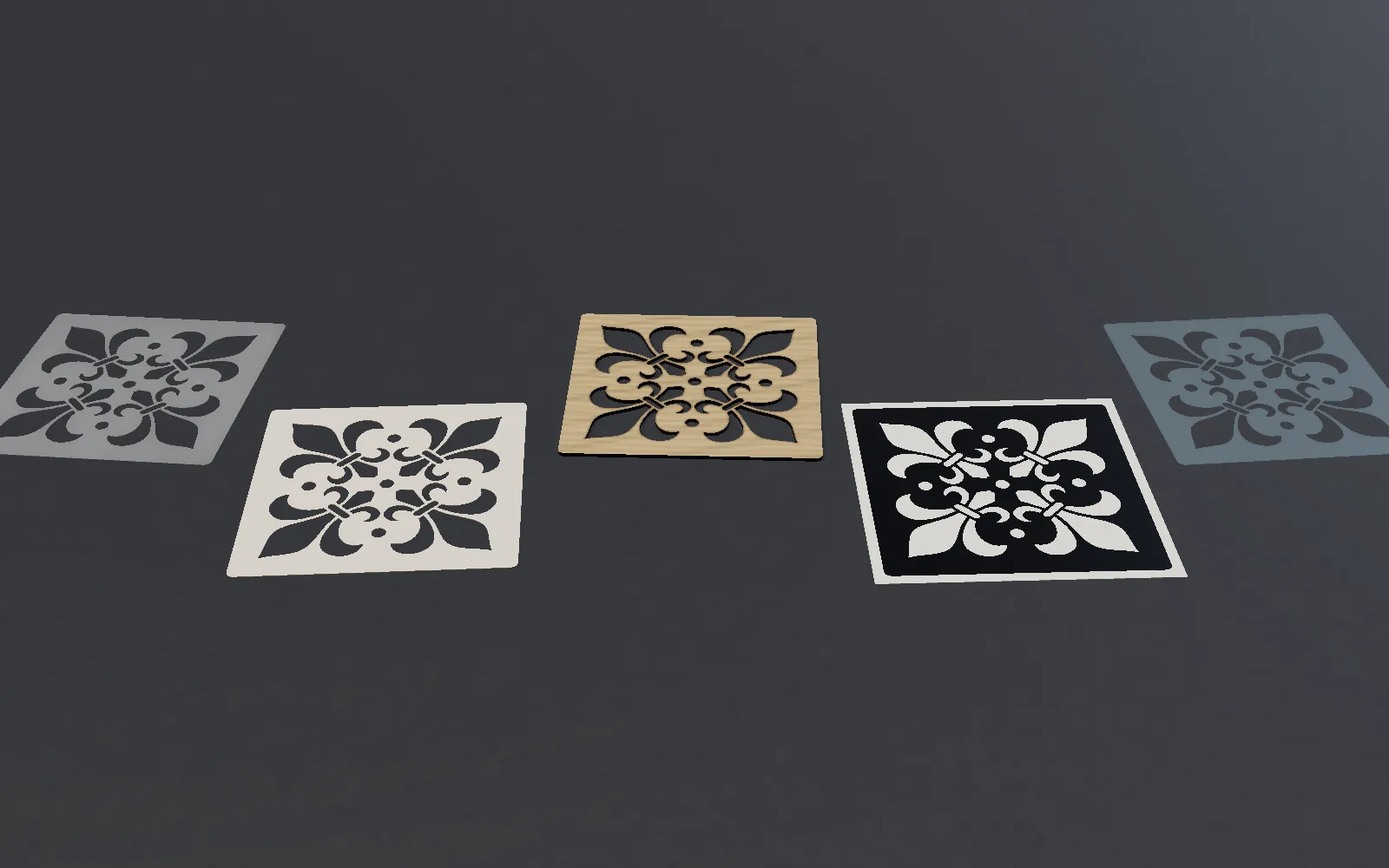
- Testing a design? — Cardboard (cheapest, fastest)
- Spray paint art? — PET 0.2mm (flexible, reusable, solvent-resistant)
- Wall decoration? — PET 0.3mm or wood/MDF 3mm
- Professional studio template? — Acrylic 2-3mm (rigid, permanent)
- Industrial marking? — Metal (stainless steel for durability)
- Electronics (SMT)? — Stainless steel 0.1-0.15mm (extreme precision)
- Food decoration? — Food-grade stainless steel or PET
Design Your Stencil, Then Choose Your Material
The beauty of digital stencil design is that you create the design once and cut it in any material. Use StencilVector's free Stencil Maker to convert your image with 7 algorithmic methods, optimize bridges for structural integrity, and export SVG. Then order your stencil laser-cut in any material from Cuttalo.com.
Use the AR Viewer to preview at real scale, and remember: you can always test in cardboard first before committing to acrylic or metal.
Related reading: stencil bridge design — what islands and bridges are and where to place them — and how automatic bridge generation works, with the measured numbers.
Not sure which machine to buy? Answer 7 questions and find the one that fits.
Stencil Maker
Ready to create your own stencil?
Upload any image, check the bridges and download a laser-ready file.