Loading...
Loading...
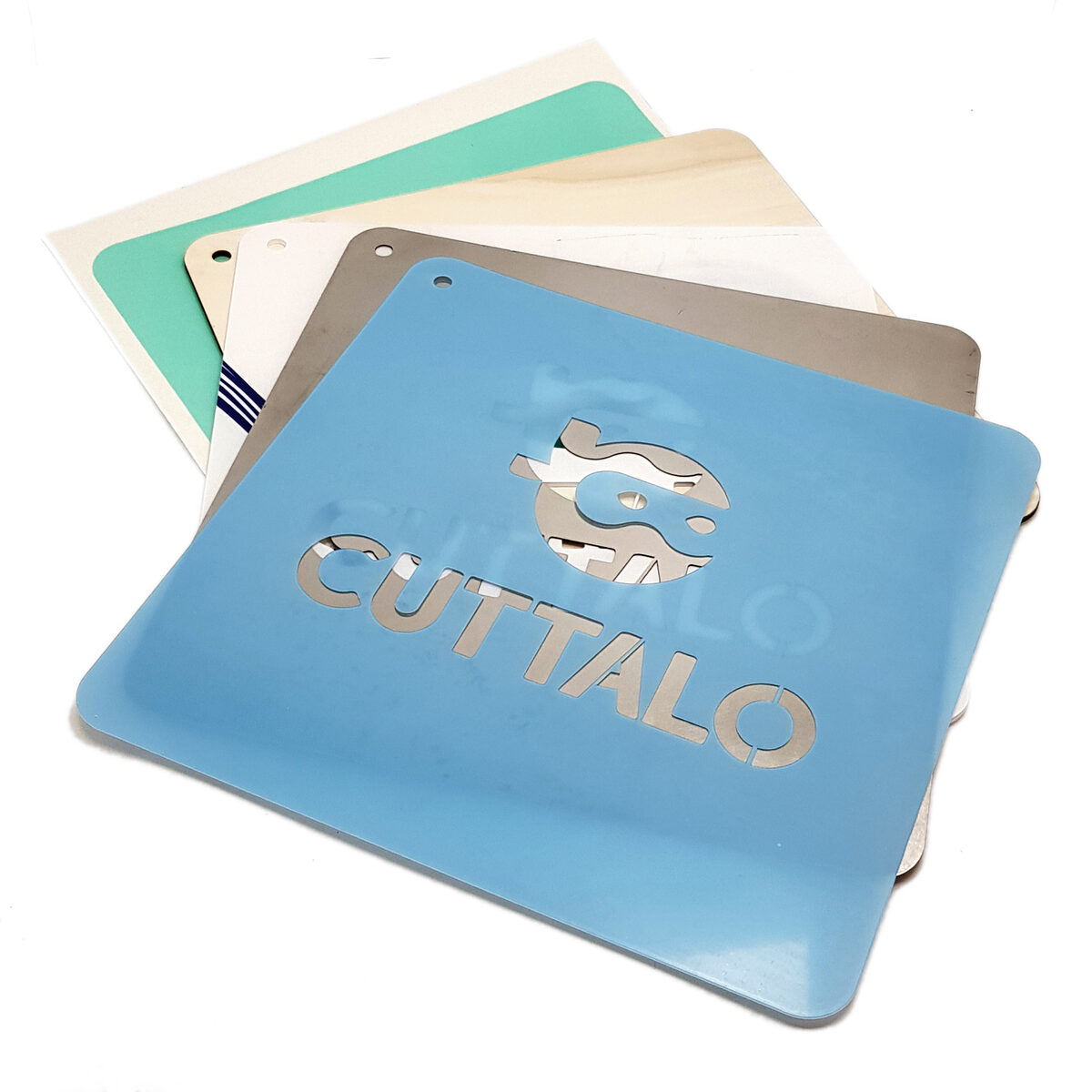
Need your stencil physically made? Cuttalo.com offers professional laser cutting in 20+ materials. ![]()

Tips, guides, and inspiration for stencil makers and laser cutting enthusiasts
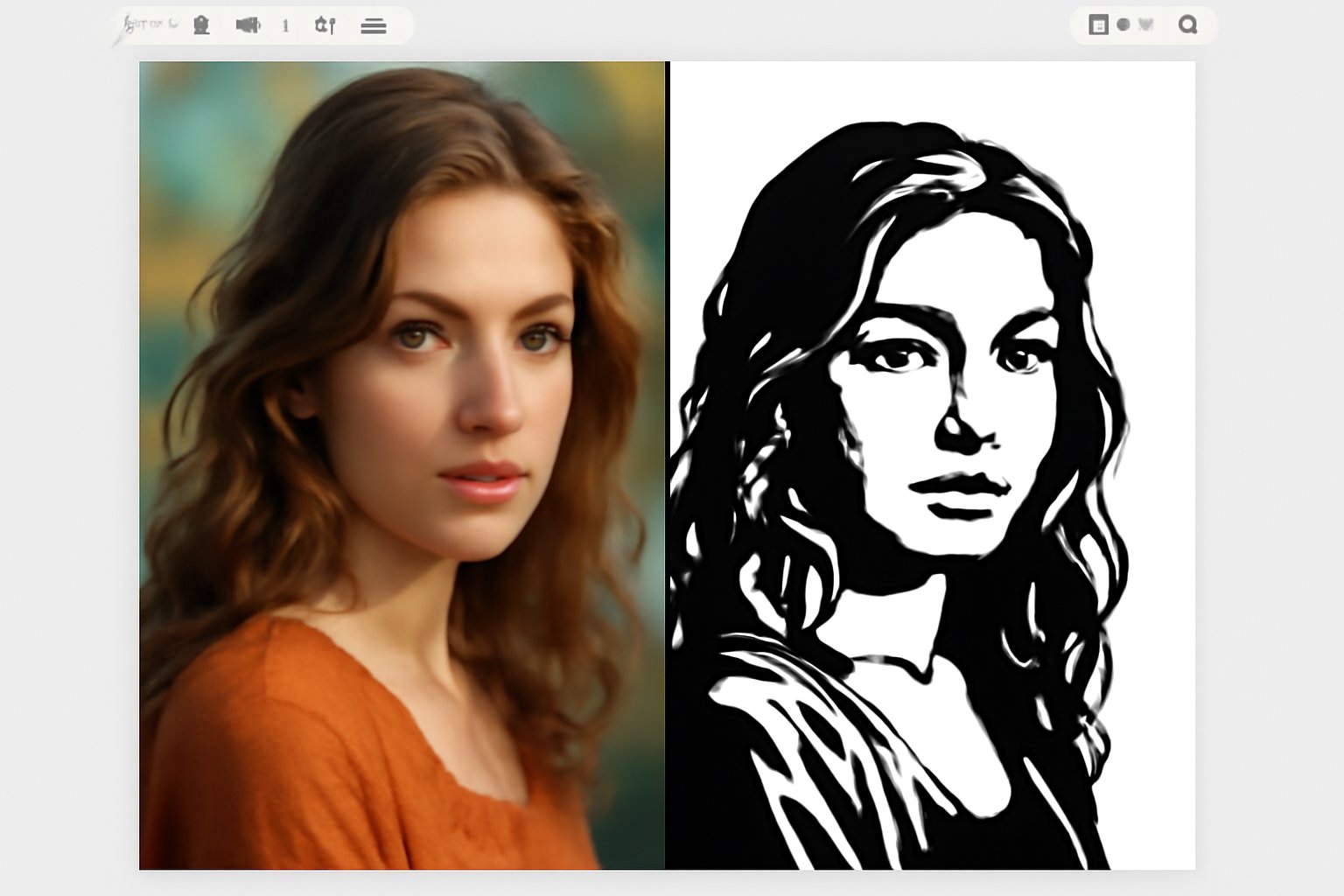
Step-by-step guide to converting any image into a laser-ready stencil: choosing methods, editing, bridge optimization, AR preview, and export.

20 creative and practical uses for stencils β from wall art and furniture to industrial marking and cosplay β plus how to make custom stencils for free.

How laser cutting, CNC routing, and digital tools like StencilVector have transformed stencil making β from design to precision manufacturing.

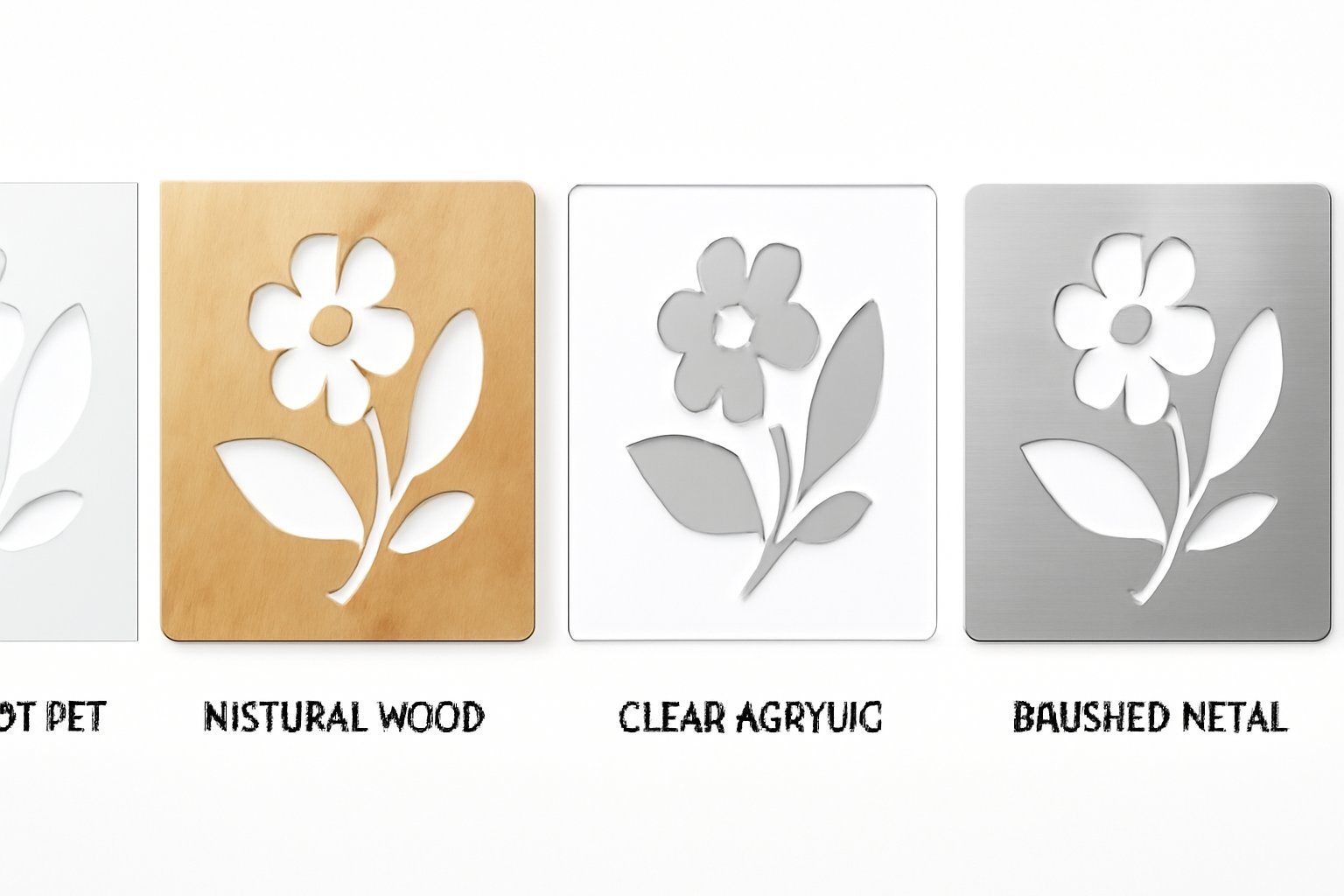
Guide to stencil materials β PET, acrylic, wood, metal, and cardboard β with pros, cons, and how to choose the right one for your laser-cutting project.

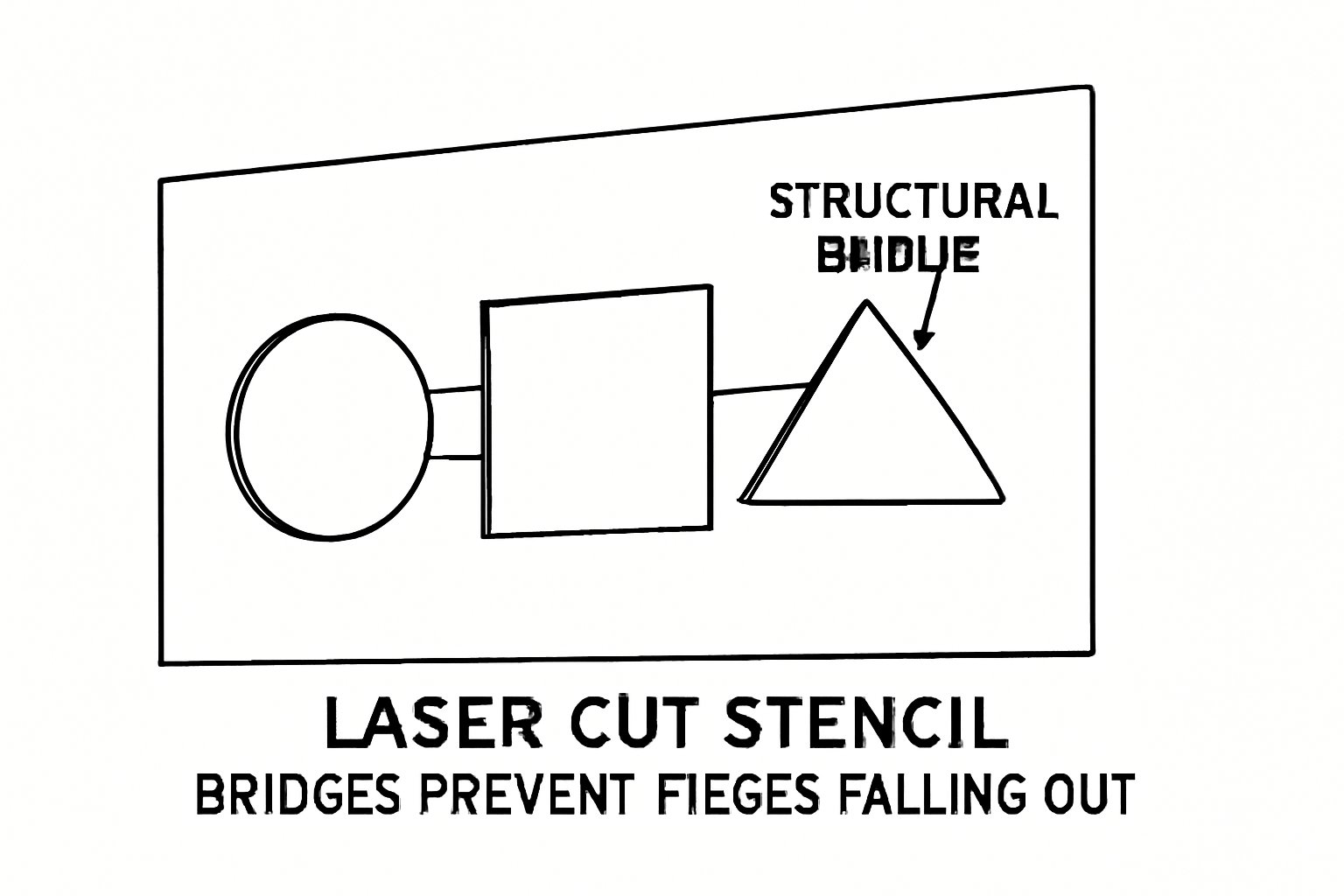
Learn what stencils are, how bridges solve the island problem, and how to create laser-ready stencils from any image using StencilVector's free tools.

StencilVector is a free stencil creation tool by Cuttalo.com with 8 algorithmic methods, editing tools, automatic bridges, AR preview, and 1275+ free gallery designs.

A practical guide to turning photographs into precision laser-cut stencils using StencilVector's free tools β from photo selection to final cut.

Understanding structural bridges in stencil design β how they work, why they matter, and how StencilVector automates bridge placement for perfect results.

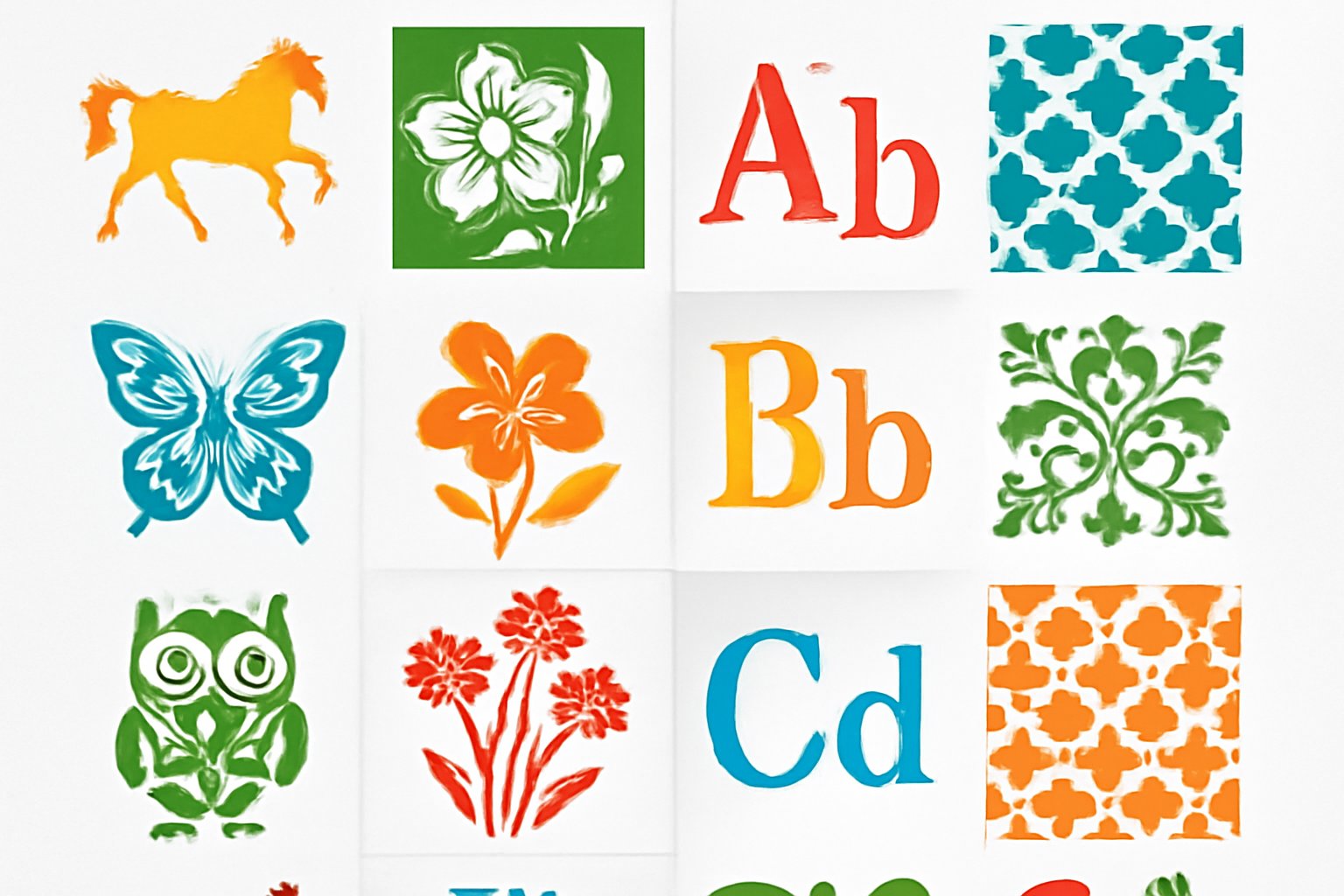
Browse StencilVector's free gallery of 1275+ laser-ready stencil designs across 17 categories. Download SVG files instantly, no sign-up required.

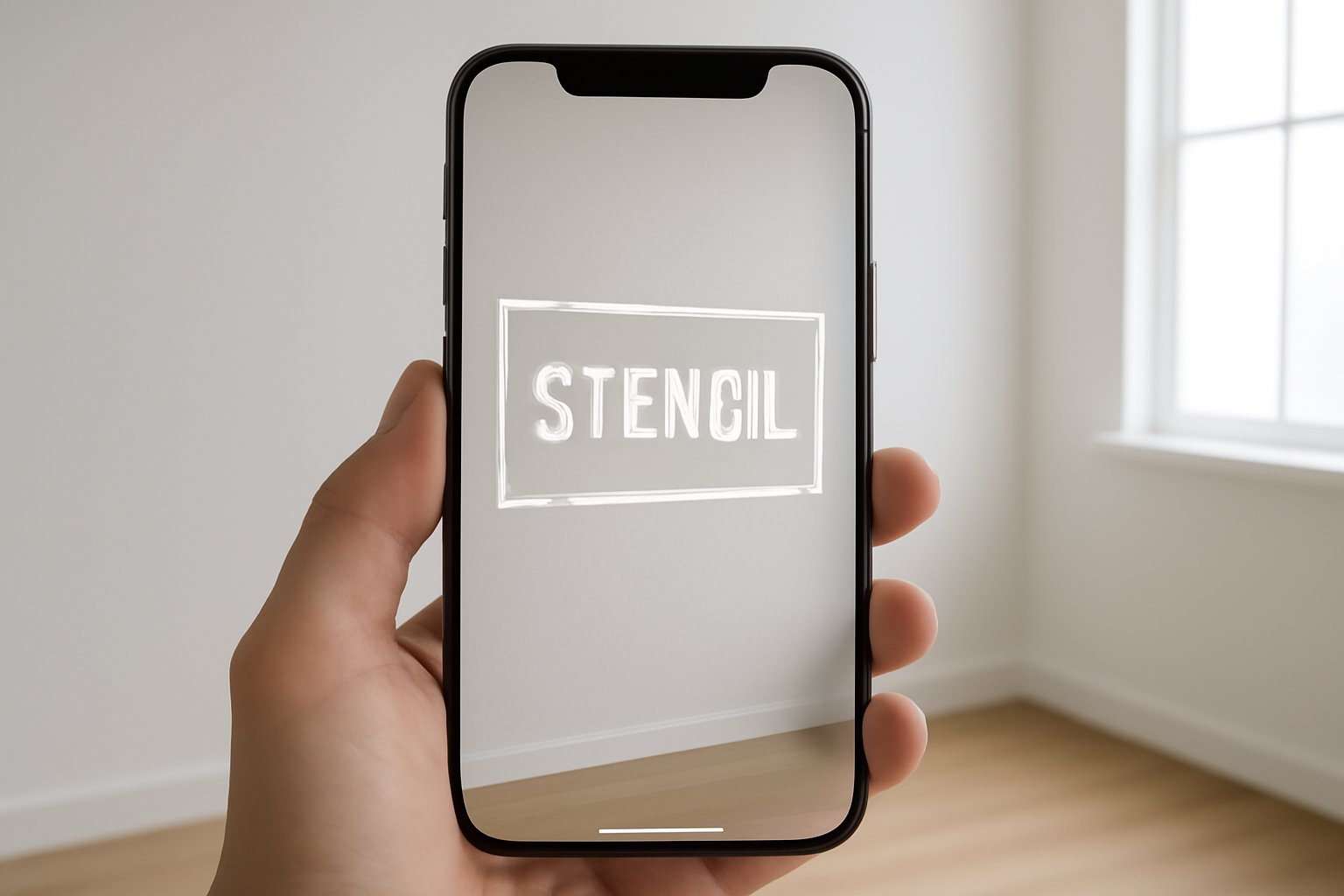
Use StencilVector's AR Viewer to place your stencil on any real-world surface at actual scale before cutting β saving material, time, and mistakes.

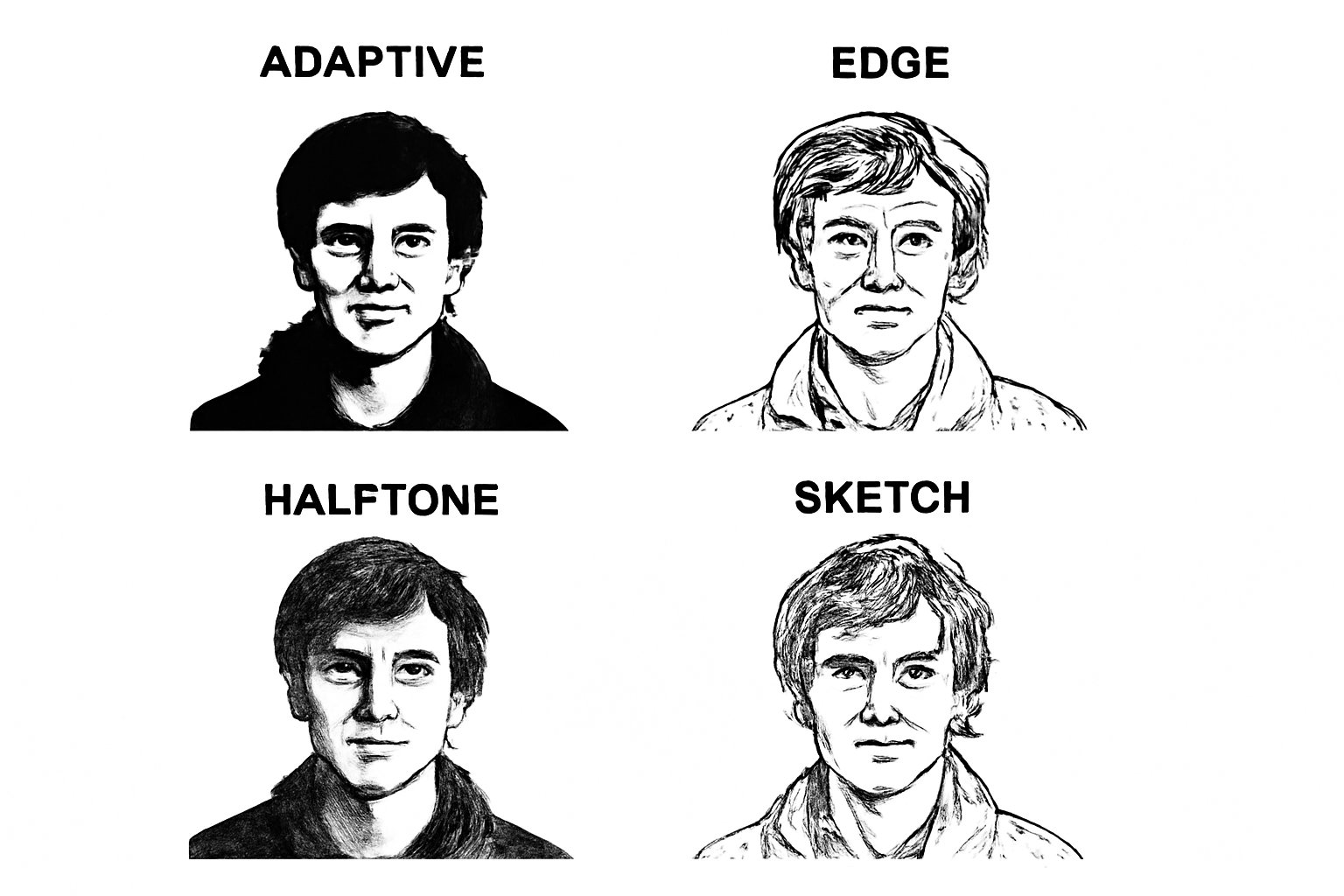
A detailed comparison of StencilVector's 8 algorithmic stencil conversion methods β when to use each one and what results to expect.

Complete guide to stencil materials for laser cutting β properties, thicknesses, applications, and how to choose the right material for your project.

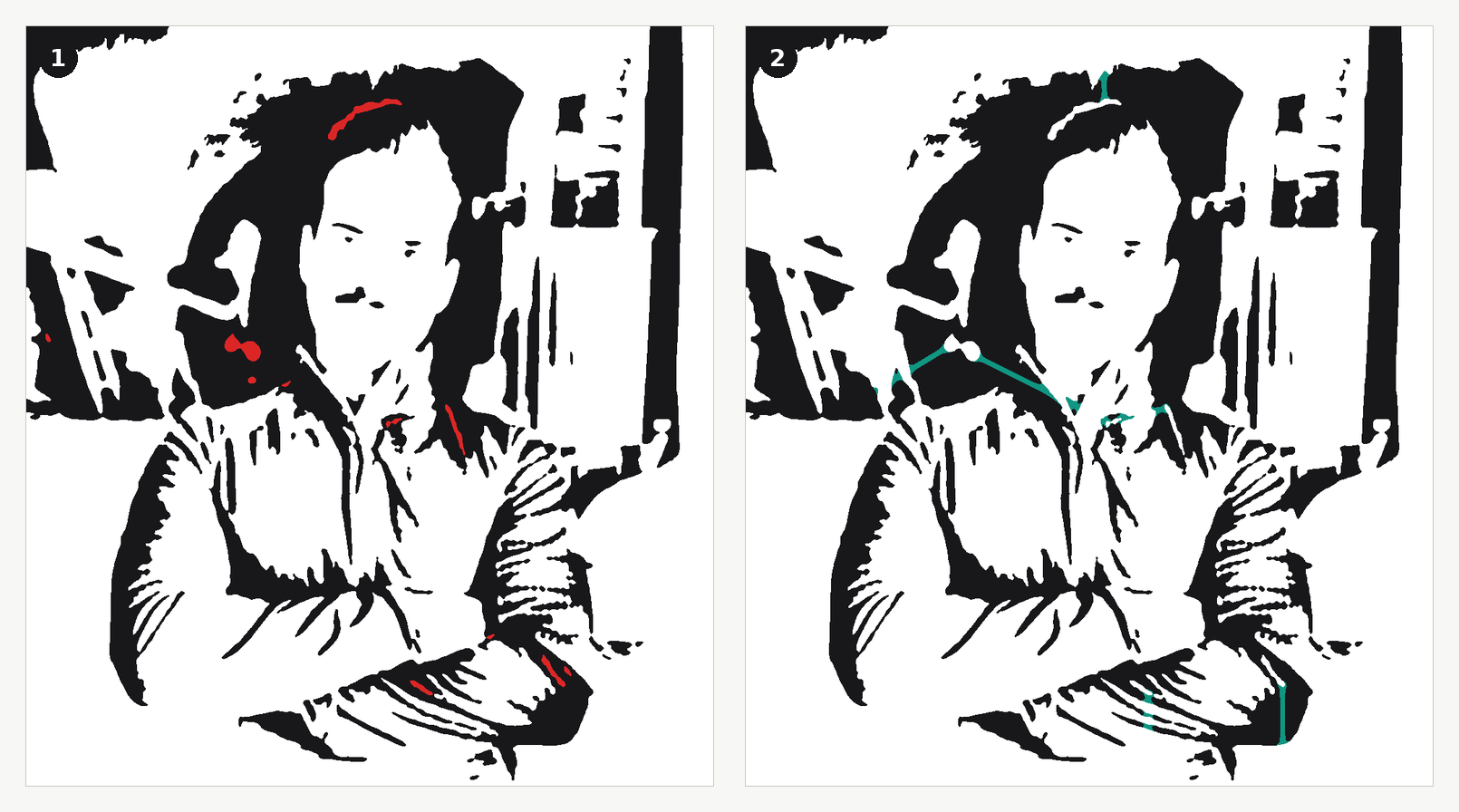
Island detection, the real stability formula, minimum-spanning-tree placement, bridge width and the material limits that decide the spacing β measured on real runs of the live engine.

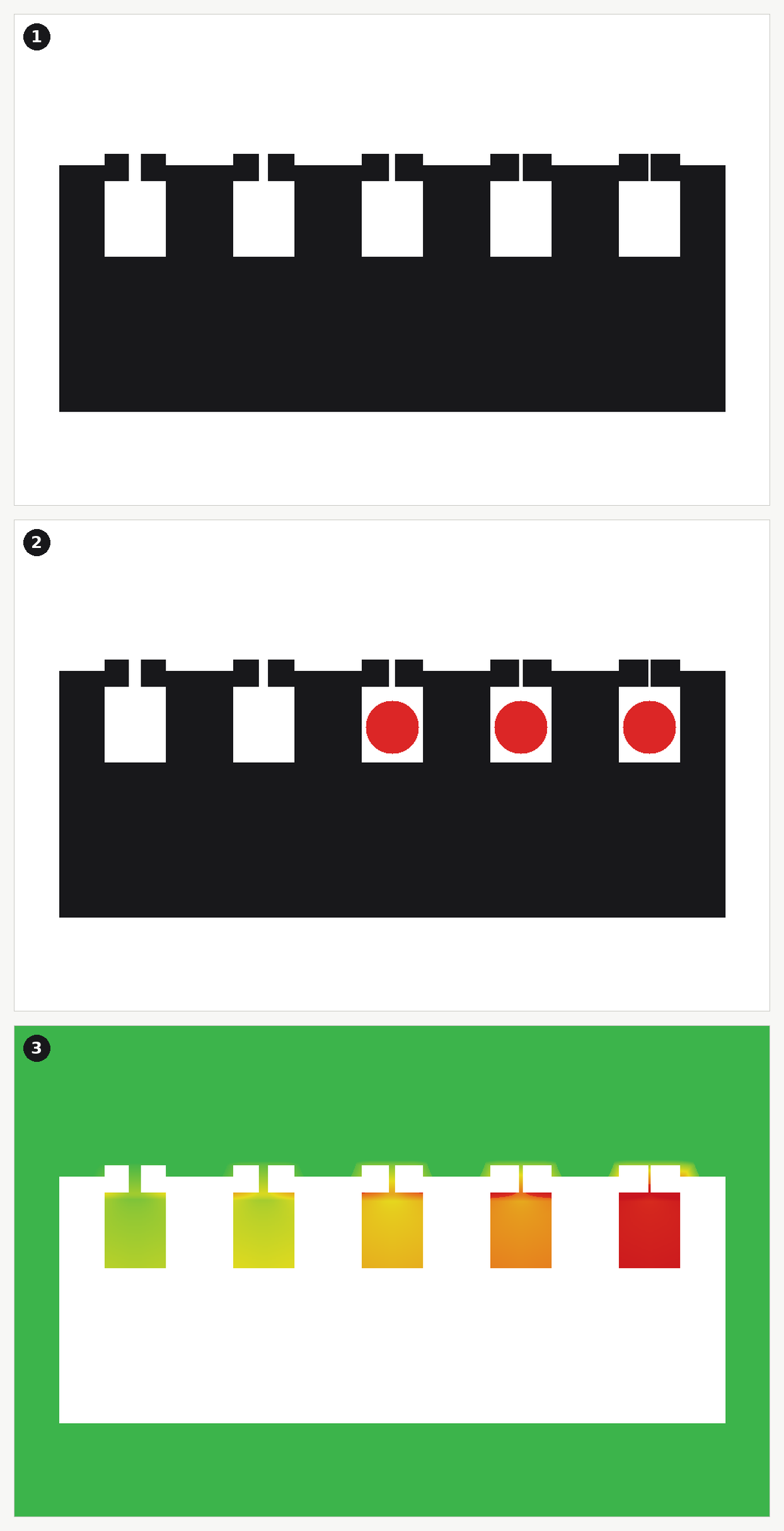
Islands are the easy failure. Peninsulas, necks that are too thin and spans that are too long are the ones that ruin a stencil while every piece is still attached β and here is what the engine measures to catch them.